The Casework Archive: A Defensible Evidence Model for UK Associations

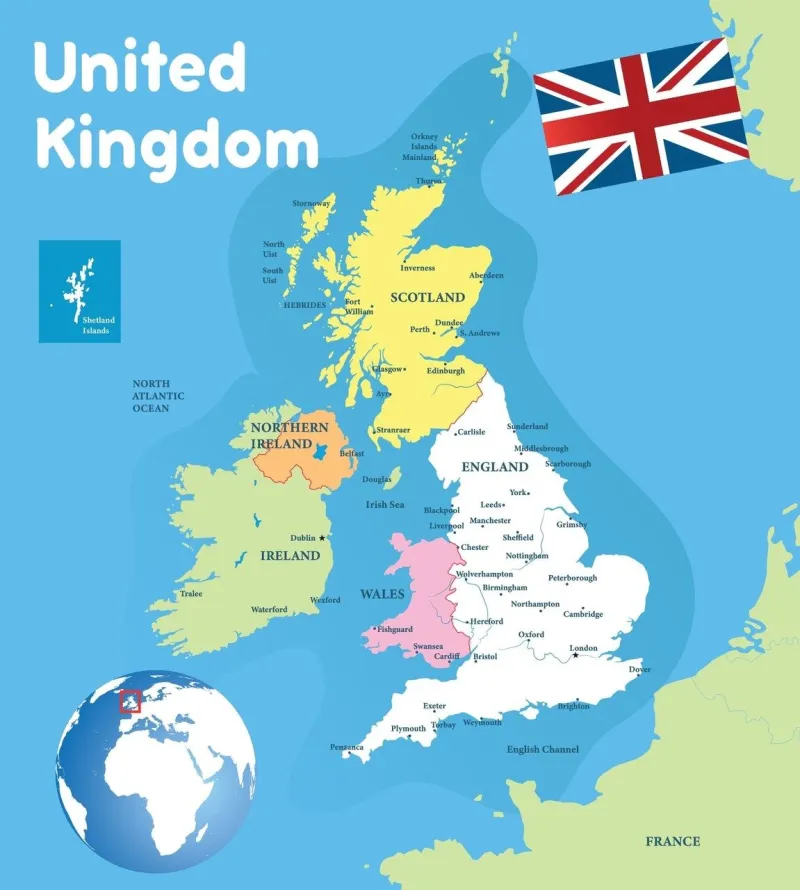
Photo: Tehnath, CC BY-SA 4.0, via Wikimedia Commons
Policy work rarely fails for lack of opinion. It fails because the evidence arrives late, arrives incomplete, or cannot be used without further clearance. When a UK association is invited to respond to a consultation, give evidence to a select committee or brief a devolved administration, the most persuasive material is usually already inside the organisation: member enquiries, advice-line records, regional case notes and the outcomes of individual disputes. The problem is that this material was collected for service delivery, not for policy proof.
The answer is not a larger survey. It is a casework archive: a modest, governed evidence bank that captures member experience in a form that can be verified, anonymised and reused. The aim is not to store everything. It is to create a defensible record that lets policy submissions begin with evidence rather than a blank page.
Why casework outperforms the last-minute call for examples
A survey conducted in the final week of a consultation can show that members are concerned. A casework record can show how a concern developed, what it cost, which regulator or funder was involved and what happened next. That chronology matters to parliamentary committees, which tend to value specificity over sentiment. It also matters to civil servants drafting impact assessments, who need to understand where a policy intention meets operational reality.
Casework has three advantages. It is contemporaneous, because it is recorded near the event. It is concrete, because it usually involves a named process, a date and a consequence. And it is already grounded in the member's own language, which makes it easier to quote accurately and harder to dismiss as anecdote. None of this makes casework statistically representative. It makes it illustrative, verifiable and useful, provided the association is honest about its limits.
A minimum viable evidence bank
An evidence bank should be designed around policy questions, not around the filing habits of the advice team. A practical minimum dataset would include the date the case was received; an anonymised member profile covering region, size and sub-sector; the policy theme; the trigger event, such as an inspection, funding decision or regulatory change; a short chronological note; the impact in time, cost or risk; the current status; an evidence-strength rating; and the consent status for external use.
Controlled vocabulary is essential. If one adviser records 'licensing delay' and another records 'regulatory hold-up', the archive will not aggregate cleanly. A short taxonomy of perhaps fifteen to twenty policy themes is usually enough. It should be reviewed annually and mapped to the association's policy priorities. The archive should also distinguish between a case note, which is internal intelligence, and a case study, which has been checked with the member and cleared for external use. Mixing the two is how associations get into difficulty.
Consent, anonymisation and the limits of reassurance
UK GDPR does not prevent associations from using casework for policy purposes, but it does require a lawful basis, purpose limitation and data minimisation. Consent is not the only available basis, but it is often the cleanest route for external publication. The important point is to separate internal analysis from external attribution. A member may be content for their experience to inform a submission in aggregate but unwilling to be identified in a press release or a committee hearing.
A tiered permission model works well. Tier one permits internal use only. Tier two permits anonymised aggregation, such as a count of cases by region or firm size. Tier three permits a written case study with identifying details removed or, where the member agrees, with attribution. Each tier should be recorded at intake and reviewed before any external use. Withdrawal routes must be real, not theoretical: if a member withdraws permission, the archive should flag the case and prevent further publication.
Anonymisation needs particular care in small sectors. Removing a company name is not enough if the region, sub-sector and a recent enforcement action together make the member identifiable. Small-number risk is a practical concern, not a theoretical one. Advisers should be trained to remove free-text identifiers at the point of logging and to avoid quoting distinctive phrases that could be searched online. The Information Commissioner's Office guidance on anonymisation is a useful reference, but the operating test is simpler: would a well-informed competitor recognise the member from the note?
Chain of custody and quality control
An evidence bank is only as good as its audit trail. Every entry should record who logged it, when, from what source and whether it has been member-checked. Duplicate cases should be merged rather than counted twice. Updates should be versioned, not overwritten. Where a case is used in a submission, the specific paragraph or quotation should be linked back to the original record.
This does not require expensive software. A well-governed spreadsheet with access controls can work for a small association. A customer relationship management system or case-management tool is better where volume is high. What matters is that the archive has an owner, a retention rule and a review cycle. Without those, it becomes another inbox with better formatting.
The quarterly review that keeps the archive credible
A quarterly evidence panel should do four things. First, it should review the policy themes with thin or outdated evidence and commission targeted collection. Second, it should close stale cases and refresh consents where necessary. Third, it should produce a short internal evidence digest for the policy team, highlighting usable case studies and gaps. Fourth, it should connect the archive to the association's policy radar so that emerging issues are tested against member experience rather than assumption.
Useful metrics include cases by theme, region and member size; the proportion cleared for external use; the age of the oldest active case; and the number of cases used in recent submissions. These are management measures, not advocacy claims. They help the association decide where to invest effort before the next consultation window opens.
Building submissions from evidence, not memory
When a consultation or inquiry arrives, the policy team should start with an evidence map: which themes are covered, which cases illustrate the point, which quotations are cleared and which gaps need a caveat. The submission can then include a short methodology note explaining that the evidence is illustrative casework, not a representative survey. That honesty strengthens credibility. Select committee packs should contain one-page case summaries and a clear line back to the source record, not a bundle of raw correspondence.
For APEB members, the discipline is familiar from governance work: decide what the record is for, who owns it and when it will be reviewed. An evidence bank is not a storage project. It is an editorial and consent regime that allows member experience to be used responsibly. Built now, it will serve the 2026 consultation cycle and every cycle after it.